

MAGNETIC RESONANCE IMAGING (MRI) SCAN
Magnetic Resonance Imaging (MRI) is an innovative technology that creates 3D anatomical images. It is carried out for disease detection, diagnosis, and treatment monitoring.
MRI scanners are particularly well suited to image the non-bony, flexible parts or soft tissues of the brain, spinal cord and its nerves, as well as muscles, ligaments, and tendons are seen much more clearly.
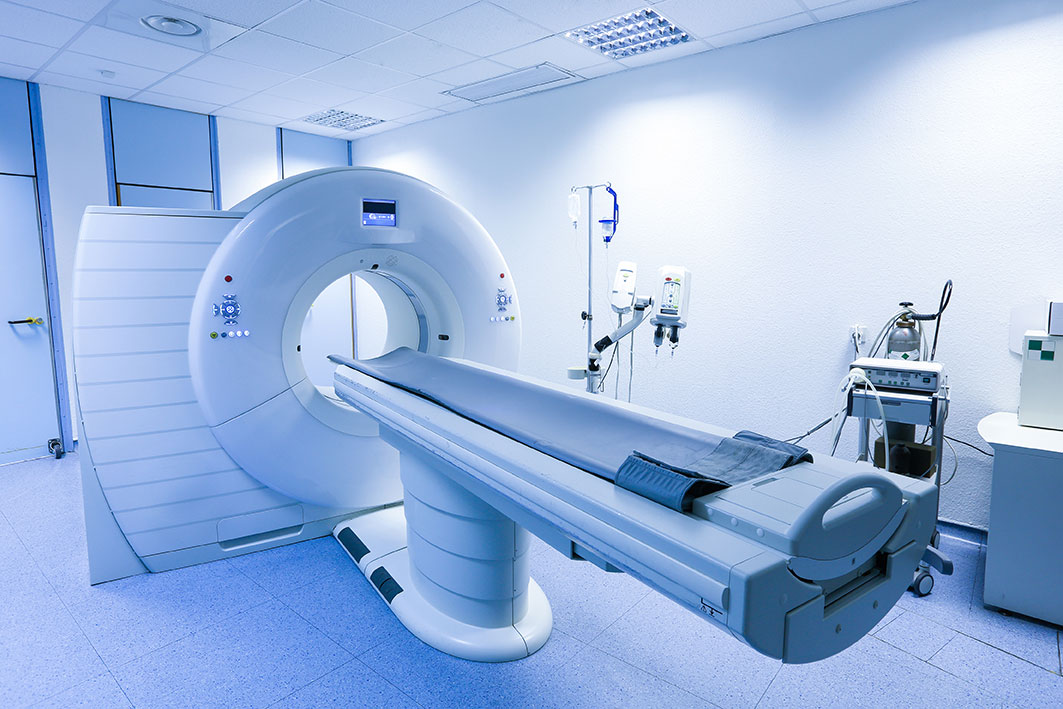
An MRI scan makes use of high-frequency radio waves and a computer to create cross-sectional images of organs and tissues. The scanner is a large dome where the patient remains in until the test is complete. Unlike x-rays and CT scans that use levels of ionising radiation, MRI scans don’t entail the use of radiation components.
An MRI scan detects abnormalities in the brain or spinal cord and screens for breast cancer, heart disease, liver and abdominal diseases, fibroids, endometriosis and pelvic pain.

MAGNETIC RESONANCE IMAGING (MRI) SCAN
Magnetic Resonance Imaging (MRI) is an innovative technology that creates 3D anatomical images. It is carried out for disease detection, diagnosis, and treatment monitoring.
MRI scanners are particularly well suited to image the non-bony, flexible parts or soft tissues of the brain, spinal cord and its nerves, as well as muscles, ligaments, and tendons are seen much more clearly.
An MRI scan makes use of high-frequency radio waves and a computer to create cross-sectional images of organs and tissues. The scanner is a large dome where the patient remains in until the test is complete. Unlike x-rays and CT scans that use levels of ionising radiation, MRI scans don’t entail the use of radiation components.
An MRI scan detects abnormalities in the brain or spinal cord and screens for breast cancer, heart disease, liver and abdominal diseases, fibroids, endometriosis and pelvic pain.
WHAT DOES AN MRI SCAN ENTAIL?
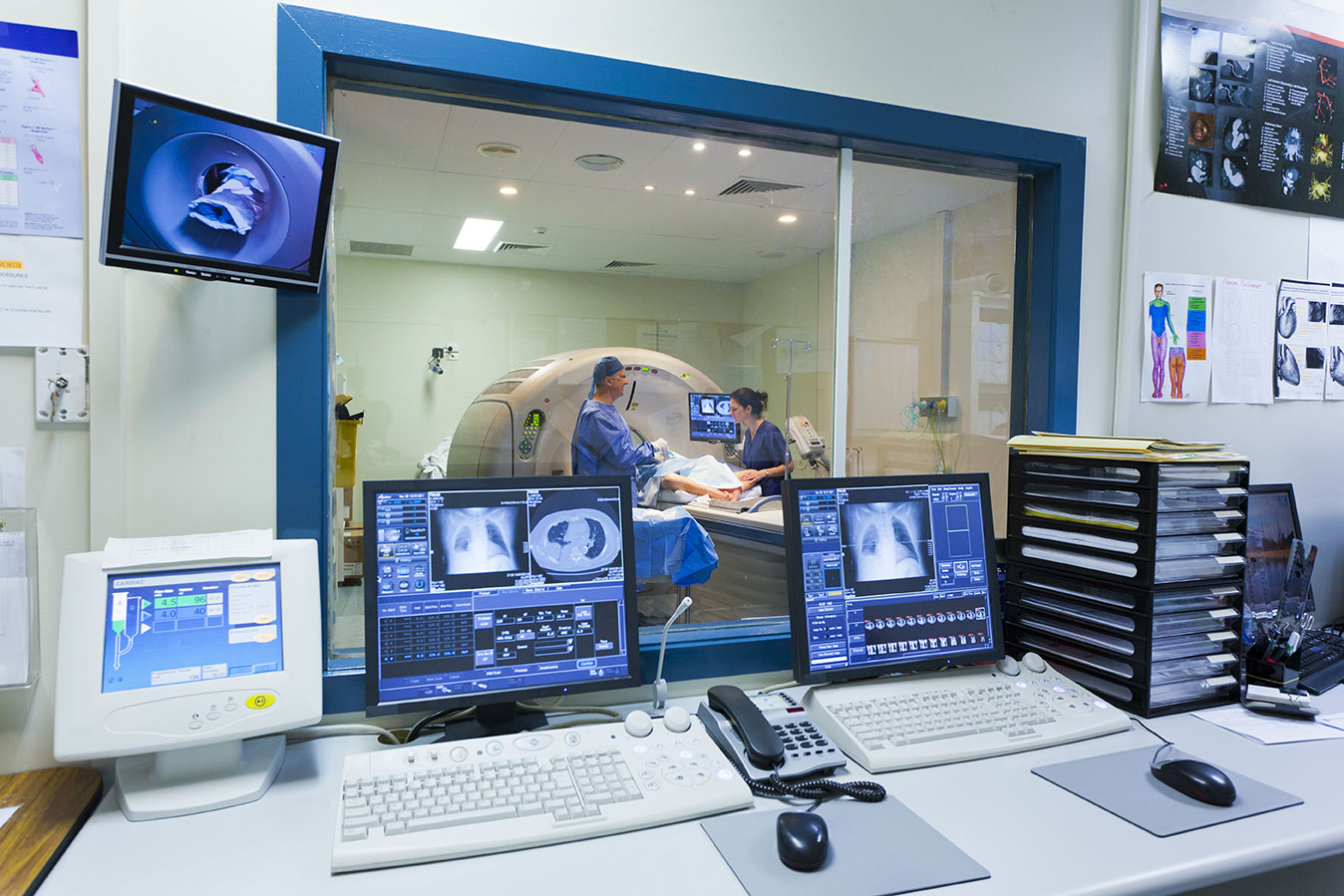
Traces of metal have to be removed before the procedure, and of course, the radiographer cannot carry out an MRI scan if the patient has metal within his or her body. Objects like cochlear implants, pacemakers and aneurysm clips are not allowed in the scanner. If the patient is anxious about being in an enclosed space, the radiographer will prescribe medication to relieve his or her anxiety. In some cases, patients receive intravenous fluid to highlight tissues that are not particularly visible on a scan. Dr Padi and his team of medical image specialists talk the patient through the entire process and answer questions that are related to the procedure as well as its side-effects. Medical staff at Neologic Imaging and Radio-Intervention Services (NIRIS) helps the patient into the scanner. Headphones drown out the background noise of the scanner and are particularly useful to keep children calm and ease their anxiety.
WHEN WILL THE RESULTS FROM THE MRI SCAN BE AVAILABLE?
Usually, the results from an MRI scan are available immediately, but in some cases, it may take two weeks to obtain conclusive results.
WHAT DOES AN MRI SCAN ENTAIL?
Traces of metal have to be removed before the procedure, and of course, the radiographer cannot carry out an MRI scan if the patient has metal within his or her body. Objects like cochlear implants, pacemakers and aneurysm clips are not allowed in the scanner. If the patient is anxious about being in an enclosed space, the radiographer will prescribe medication to relieve his or her anxiety. In some cases, patients receive intravenous fluid to highlight tissues that are not particularly visible on a scan. Dr Padi and his team of medical image specialists talk the patient through the entire process and answer questions that are related to the procedure as well as its side-effects. Medical staff at Neologic Imaging and Radio-Intervention Services (NIRIS) helps the patient into the scanner. Headphones drown out the background noise of the scanner and are particularly useful to keep children calm and ease their anxiety.
WHEN WILL THE RESULTS FROM THE MRI SCAN BE AVAILABLE?
Usually, the results from an MRI scan are available immediately, but in some cases, it may take two weeks to obtain conclusive results.
Our deepest fear is not that we are inadequate. Our deepest fear is that we are powerful beyond measure
-Marianne Williamson